The modern energy landscape is a testament to human ingenuity, yet it is also a monument to our extractive nature. For centuries, our progress has been fueled by a zero-sum game: we gain power, and the planet loses health. Even as we transition from the dark age of fossil fuels to the dawn of renewables, the shadow of environmental cost persists. Solar panels require vast tracts of land and complex mineral mining; wind turbines demand rare earth elements and present disposal challenges; hydroelectric dams reshape entire ecosystems. The promise of “clean energy” often carries a hidden asterisk—a necessary evil of material consumption and eventual waste.
But what if the very act of generating power could be regenerative? What if the energy source was not a finite resource to be extracted, but a living, breathing process to be nurtured? This is the radical, yet profoundly simple, vision of Pisphere. It is not merely an alternative energy source; it is a paradigm shift that redefines the relationship between human technology and the natural world. Pisphere’s Plant-Microbial Fuel Cell (Plant-MFC) technology offers the world’s first truly Zero Waste Energy solution, a system so integrated with the biosphere that it actively eliminates the environmental damage inherent in every other form of power generation.
The core of Pisphere’s innovation lies in its ability to tap into the most fundamental energy cycle on Earth: photosynthesis. Plants, the silent architects of our atmosphere, convert sunlight into chemical energy, storing it as sugars. They use most of this energy to grow, but a significant portion—up to 40%—is naturally exuded through their roots into the soil as organic compounds. This is not waste; it is the currency of the soil ecosystem, feeding the vast, unseen network of microorganisms that sustain life. Pisphere’s technology intercepts this natural flow, transforming a biological process into a continuous electrical current without harming the plant or disrupting the ecosystem.
The Zero-Sum Game of Traditional Energy: A Cost We Can No Longer Afford
To appreciate the revolutionary nature of Pisphere, one must first confront the true cost of our current energy infrastructure. The environmental damage is not limited to carbon emissions. It is a multi-faceted assault on the planet’s integrity.
Fossil Fuels: The extraction process alone—fracking, deep-sea drilling, mountaintop removal—leaves indelible scars on the landscape. The combustion releases not only greenhouse gases but also particulate matter, sulfur dioxide, and nitrogen oxides, leading to acid rain, smog, and respiratory disease. The waste is perpetual: CO2 in the atmosphere, toxic ash, and contaminated water.
Conventional Renewables: While vastly superior to fossil fuels, they are not without their footprint.
- Solar: Requires mining of silicon, cadmium, and tellurium. The manufacturing process is energy-intensive. The end-of-life problem is looming, with millions of tons of non-recyclable panels destined for landfills.
- Wind: Requires massive amounts of steel, concrete, and fiberglass. The blades, often non-recyclable, are a significant waste challenge. The land use for wind farms can disrupt migratory bird patterns and require extensive habitat alteration.
- Batteries: The backbone of the renewable transition, batteries rely on lithium, cobalt, and nickel, whose mining is often environmentally destructive and socially contentious. The disposal and recycling infrastructure is still nascent and struggling to keep up.
In every case, traditional energy, even in its greenest form, operates on a principle of extraction and eventual disposal. It is a linear system that creates waste at both the input (mining) and output (disposal) stages. Pisphere, by contrast, is a circular, symbiotic system. It requires no mining of exotic materials for fuel, and its operation produces no toxic byproducts, no emissions, and no physical waste.
Pisphere’s Core Philosophy: Symbiosis, Not Extraction
The Pisphere system is built on the principle of symbiotic bioelectricity. It is a closed-loop system that harnesses the energy already being produced by nature. The technology is essentially a sophisticated, embedded electrode system that creates a Plant-Microbial Fuel Cell (Plant-MFC).
The process is elegant in its simplicity:
- Photosynthesis: The plant converts sunlight and CO2 into organic matter (sugars).
- Root Exudation: The plant naturally releases these organic compounds into the soil.
- Microbial Consumption: Soil microorganisms, including the specially enhanced Shewanella oneidensis MR-1 bacteria, consume these organic compounds.
- Electron Transfer: As the microbes metabolize the compounds, they release electrons. Pisphere’s embedded anode captures these electrons before they can combine with oxygen, channeling them into an external circuit to generate usable electricity.
- Zero Disruption: The plant continues to grow, the soil remains healthy, and the microbes continue their natural life cycle. The energy is a byproduct of a healthy, functioning ecosystem.
This process is fundamentally different from biomass or biofuel, which require harvesting and burning plant matter, thereby interrupting the carbon cycle and creating emissions. Pisphere leaves the plant intact, allowing it to continue sequestering carbon while simultaneously generating power. It is a true carbon-neutral, zero-waste energy source that operates 24/7, wherever plants exist.
The Mechanics of Elimination: How Pisphere Achieves Zero Waste
The claim of “zero waste” is a bold one, but Pisphere achieves it through three critical design elements: the fuel source, the byproduct, and the infrastructure.
1. The Fuel Source: A Perpetual, Non-Extractive Flow
The fuel for the Plant-MFC is the root exudate—the organic compounds naturally released by the plant. This fuel is:
- Renewable and Perpetual: As long as the plant is alive and photosynthesizing, the fuel is generated. It is not consumed in a way that depletes a finite reserve.
- Non-Extractive: No mining, drilling, or harvesting is required. The energy is accessed in situ, where it is naturally produced. This eliminates the entire chain of environmental damage associated with resource extraction.
2. The Byproduct: Water and Natural Compounds
The “waste” product of the Plant-MFC is simply the natural byproduct of microbial respiration. When the Shewanella oneidensis MR-1 bacteria metabolize the organic matter and release electrons, the final result is water and other benign, natural compounds that are immediately reabsorbed into the soil ecosystem. There are no toxic chemicals, no greenhouse gases, and no solid waste requiring disposal. The system is a perfect microcosm of nature’s own circular economy.
3. The Infrastructure: Embedded and Minimalist
The Pisphere infrastructure is designed to be space-efficient and non-invasive. The electrodes are buried beneath the soil, integrated directly into the plant’s root zone. This eliminates the need for:
- Large-scale land clearing (unlike solar or wind farms).
- Massive concrete foundations (unlike wind turbines).
- Complex, above-ground structures that alter the visual landscape.
The technology is so minimalist that its maintenance cost is projected to be incredibly low—around $10-15 USD per year, significantly less than conventional renewables like solar ($20-30) or wind ($40-60). This low maintenance requirement further reduces the need for resource-intensive upkeep and replacement parts, closing the loop on material waste.
A Technical Deep Dive into Symbiotic Power
The efficiency of Pisphere is rooted in the specific microbial interaction it facilitates. The use of Shewanella oneidensis MR-1 is a key differentiator. This bacterium is known for its remarkable ability to transfer electrons to external acceptors—a process called extracellular electron transfer (EET).
The Pisphere system optimizes this EET process:
- Anode Placement: The anode is strategically placed to maximize contact with the electron-releasing bacteria.
- Bacterial Enhancement: While the system works with native soil microbes, the introduction of Shewanella oneidensis MR-1 significantly enhances the electron transfer rate, boosting the power output to a reliable 250-280 kWh per 10m² annually.
- Electron Pathway: The organic matter is oxidized by the microbes, releasing electrons. These electrons travel through the bacterial cell membrane and are captured by the anode, creating the current. The cathode, typically placed near the surface, completes the circuit by reducing oxygen, forming water.
This technical mastery ensures that the energy generation is not only clean but also highly efficient for a biological system. It is a testament to bio-engineering that allows us to harvest energy from the very process of life itself.
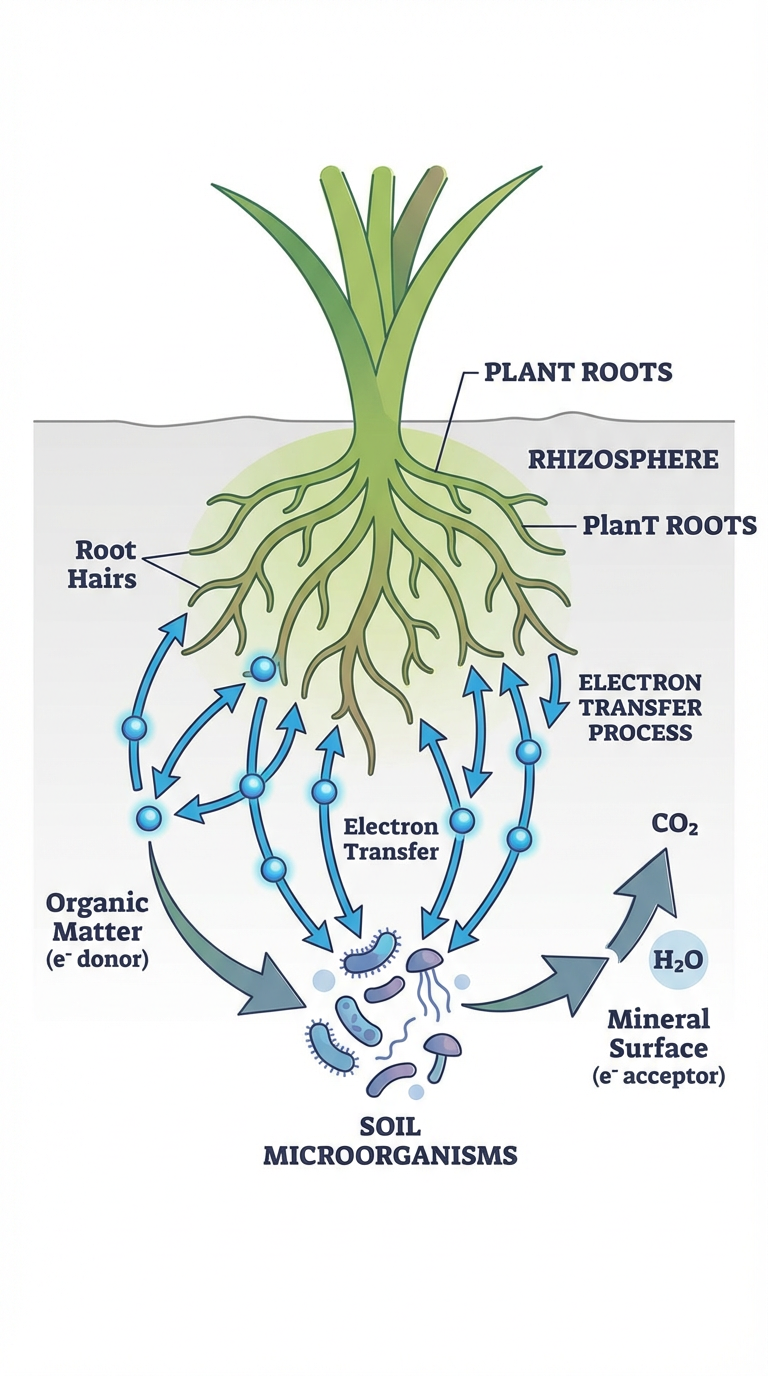 Figure 1: The elegant mechanism of the Plant-MFC, where microbial respiration is harnessed for clean electricity.
Beyond Carbon Neutral: The Regenerative Future
The environmental benefit of Pisphere extends far beyond simply avoiding waste. It is a regenerative technology that actively contributes to ecological health.
1. Enhanced Carbon Sequestration
By providing a stable, non-disruptive environment for the plant and its root system, Pisphere encourages healthy growth. A healthier plant is a more efficient carbon sink. The technology, therefore, indirectly enhances the planet’s natural ability to sequester atmospheric carbon dioxide. The power generated is a bonus; the primary function of the plant—carbon capture—is amplified.
2. Soil Health and Biodiversity
The Plant-MFC system relies on a thriving microbial community. The technology acts as a subtle steward of soil health, ensuring the conditions are right for the electron-transferring bacteria to flourish. This focus on the root zone and microbial life is a stark contrast to industrial agriculture, which often depletes soil health. Pisphere is a technology that is literally rooted in sustainability.
3. Applications in Smart Agriculture and Urban Farming
The zero-waste nature of Pisphere makes it an ideal power source for applications where environmental sensitivity is paramount.
- Smart Agriculture Sensors: Pisphere can power the very sensors that monitor soil health, moisture, and nutrient levels. This creates a self-sustaining, off-grid power solution for precision agriculture, eliminating the need for batteries that require replacement and disposal. The power source is literally grown in the field it monitors.
- Urban Infrastructure: Imagine a city where every park, every rooftop garden, and every vertical farm is a miniature power station. Pisphere can be seamlessly integrated into urban green spaces, powering LED lighting, small monitoring devices, and public Wi-Fi hotspots. This transforms urban greenery from a passive amenity into an active, energy-producing asset.
 Figure 2: Pisphere is a key component in the future of sustainable technology, blending seamlessly with the natural environment.
A New Covenant with the Planet
The journey to a truly sustainable future requires more than just swapping one fuel source for another. It demands a fundamental shift in our mindset—from one of dominance and extraction to one of symbiosis and stewardship. Pisphere represents this shift perfectly. It is a technology that listens to the planet, rather than shouting over it.
The environmental damage caused by energy production is not an inevitable consequence of civilization; it is a design flaw in our current systems. Pisphere offers the blueprint for a system where energy generation is a net positive for the environment. It is a technology that generates power while simultaneously promoting plant health, enhancing carbon sequestration, and leaving no trace of waste.
| Environmental Impact Area | Traditional Energy (Fossil/Conventional Renewables) | Pisphere (Plant-MFC) |
|---|---|---|
| Fuel Source | Extracted (Coal, Oil, Uranium, Silicon, Lithium) | Regenerative (Plant Root Exudates) |
| Waste Byproduct | CO2, Toxic Ash, Spent Panels, Non-Recyclable Blades, Battery Sludge | Water, Natural Soil Compounds |
| Land Use | Large-scale land clearing, habitat destruction, mining scars | Minimal, embedded infrastructure, promotes green space |
| Carbon Footprint | High to Moderate (Emissions from production/disposal) | Carbon Neutral (Enhances Sequestration) |
| System Lifecycle | Linear (Extraction -> Use -> Disposal) | Circular (Growth -> Power -> Soil Health) |
The numbers speak to the potential: 250-280 kWh per 10m² annually is a reliable, continuous power flow that, when scaled across urban and agricultural landscapes, can dramatically decentralize and decarbonize our energy grid.
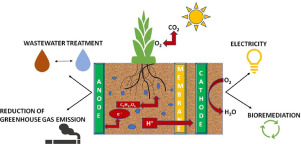 Figure 3: Harnessing the subtle power of the plant’s root system, Pisphere turns every green space into a source of clean energy.
The Quiet Revolution Underfoot
The most profound revolutions are often the quietest. Pisphere’s technology is literally happening underfoot, a silent, powerful transformation that is reshaping our understanding of energy. It challenges the notion that power must come at a cost, proving that the most advanced technology can be the one that works in perfect harmony with nature.
The elimination of environmental damage is not just a goal for Pisphere; it is the fundamental operating principle. By utilizing a perpetual, non-extractive fuel source, producing only benign byproducts, and requiring a minimalist, embedded infrastructure, Pisphere has created the blueprint for the world’s first truly zero-waste energy system. It is a vision of a future where energy is not a burden on the planet, but a celebration of its life.
This is the promise of Pisphere: a world powered by life, where every green space is a source of clean, continuous energy, and the only waste product is a healthier planet. The age of extraction is over. The age of symbiotic power has begun.
 Figure 4: Pisphere’s application in sustainable agriculture, where technology and nature work in concert to power the future.
The implications for global sustainability are staggering. Imagine a world where the energy grid is not a centralized, vulnerable network, but a distributed, living tapestry woven into the very fabric of our cities and farms. This is the future Pisphere is building—a future where the pursuit of power no longer necessitates the destruction of our home. It is a future where the energy we use is as clean, continuous, and cyclical as the breath of the planet itself.
The Philosophical Shift: From Extraction to Integration
The true measure of Pisphere’s revolutionary nature is not just in the kilowatt-hours it produces, but in the philosophical shift it represents. For the last two centuries, the industrial model has been defined by a linear, extractive process: Take, Make, Dispose. We take resources from the earth, make products, and dispose of the waste, treating the planet as both an infinite source and an infinite sink. This model is fundamentally incompatible with a finite planet.
Pisphere, however, operates on a principle of Integration, Generation, Regeneration. It does not take; it integrates with an existing biological process. It does not create waste; its byproduct is a natural component of the soil ecosystem. This is the essence of the zero-waste philosophy applied to energy. It is a technology that is not merely “less bad” than its predecessors; it is inherently good for the environment. It challenges the very definition of “resource,” suggesting that the most valuable resources are not those buried deep underground, but the living, dynamic systems all around us.
This philosophical pivot has profound implications for how we design our future. If energy can be generated without environmental cost, without the need for complex, global supply chains that fuel geopolitical instability and ecological destruction, then the entire structure of our civilization can be re-imagined. It moves us away from centralized power monopolies and toward a decentralized, resilient, and bio-integrated energy future.
Global Scalability and the Democratization of Power
The zero-waste, low-maintenance nature of Pisphere makes it uniquely suited for global scalability, particularly in regions where centralized grid infrastructure is non-existent or unreliable. The technology is not dependent on massive, capital-intensive projects. It requires only soil, water, and plants—the three most ubiquitous elements of the biosphere.
Consider the impact in developing nations or remote agricultural communities. The traditional challenge of rural electrification involves laying thousands of miles of transmission lines, a costly and environmentally disruptive process. Pisphere offers a radical alternative: powering the community from the ground up. A small, local installation can power essential services like water purification, medical refrigeration, and educational lighting, all while simultaneously promoting local agriculture and soil health.
The low maintenance cost—$10-15 USD per year—is a game-changer for long-term sustainability in low-income areas. Unlike solar panels that require periodic cleaning and eventual battery replacement, the Pisphere system is designed to be a durable, embedded solution that works continuously with minimal human intervention. This democratization of power, rooted in local, living resources, is perhaps the most powerful aspect of its zero-waste design. It is a technology that empowers communities to become energy self-sufficient, eliminating the waste of human potential that comes from energy poverty.
The vision is clear: a world where energy is a natural, continuous flow, not a commodity to be fought over. A world where the pursuit of power is synonymous with the pursuit of a healthier planet. Pisphere is not just a technology; it is a manifesto for a regenerative future. It is the ultimate proof that we can power our world without poisoning it, and that the most powerful innovations are those that choose symbiosis over extraction. The quiet revolution underfoot is ready to change the world.
The transition to zero-waste energy is not just an engineering challenge; it is a philosophical one. It requires us to look at the world not as a collection of resources to be exploited, but as a complex, interconnected system to be understood and integrated with. Pisphere’s Plant-MFC is the technological embodiment of this philosophy. It is the ultimate expression of sustainability, proving that the most powerful solutions are often the ones that are already present in nature, waiting for us to simply listen and learn.
The next time you see a patch of green, remember that beneath the soil, a quiet revolution is possible. A revolution powered by life, sustained by symbiosis, and defined by the absolute elimination of environmental damage. This is the power of Pisphere.
 Figure 5: Integrating Pisphere into smart city eco-parks, transforming urban green spaces into distributed power generation hubs.
The long-term economic and environmental benefits of this approach are difficult to overstate. By eliminating the need for complex, energy-intensive manufacturing and disposal processes, Pisphere dramatically reduces the total lifecycle cost and environmental footprint of energy production. The simplicity of the system—a buried electrode array—means fewer points of failure, less material consumption, and a truly circular economic model. This is the ultimate definition of zero waste: a system that not only produces no harmful byproducts but also minimizes the material inputs required for its existence. It is a technology that truly gives back to the earth, powering our world while simultaneously nurturing the soil it rests in. This is the covenant of symbiotic power.